
Who Manufactures RUTF in Kenya?
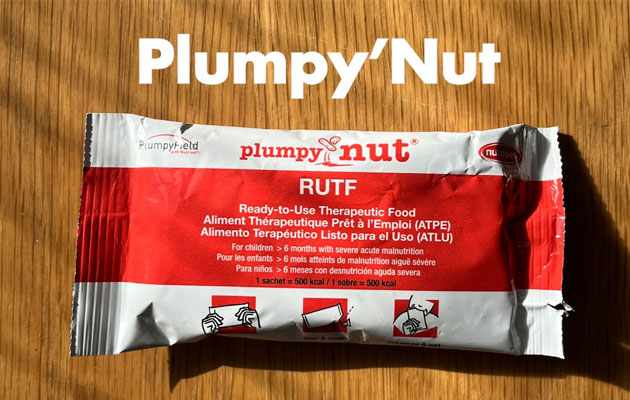
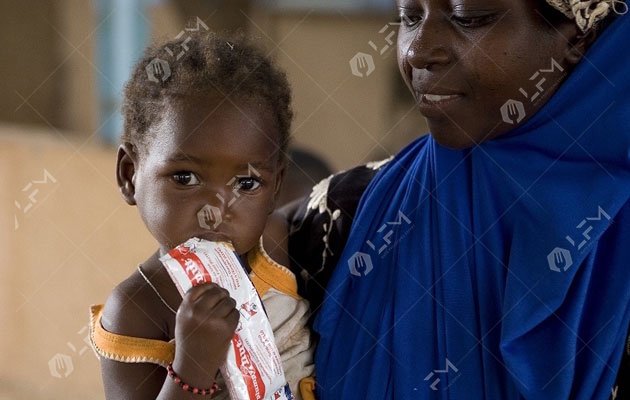
RUTF (Ready-to-Use Therapeutic Food) is a high-energy, nutritionally balanced, ready-to-eat paste. RUTF is specifically designed to treat severe acute malnutrition in children under 5 years old. In Kenya, malnutrition remains a serious problem: 2022 data shows that over 315,000 children are wasted and 630,000 children are underweight nationwide.
So, who is manufacturing RUTF in Kenya now? And what is the potential for investing in RUTF production in Kenya? Let's find out.
01 Global RUTF Demand is Continuously Growing
According to reports, the global RUTF (Ready-to-Use Therapeutic Food) market size is projected to grow from US$457.43 million in 2024 to US$831.119 million in 2033, with a compound annual growth rate of 6.8%. The growth potential is significant.
Emergency situations such as famine, war, and border conflicts have also contributed to the increased demand for RUTF. As of 2024, more than 70 countries have implemented national RUTF programs.
Africa and Asia are the main production centers for RUTF. In Kenya, the RUTF market exhibits the following characteristics: on the one hand, international donations remain an important source; on the other hand, local production capacity is gradually being established, aiming for self-sufficiency using local raw materials. The Kenyan government is also providing more support to local producers.
02 Main Manufacturer of RUTF in Kenya
Kenya's RUTF (Ready-to-Use Therapeutic Food) ecosystem comprises several companies, covering all stages from production to distribution.
- Insta Products EPZ Limited is one of Kenya's most important RUTF producers. Located in the Nairobi Export Processing Zone, this company has a long-standing partnership with major humanitarian organizations such as UNICEF, USAID, and the World Food Programme. In June 2008, Insta Products entered into a collaboration agreement with the Irish charity Valid Nutrition, obtaining a license to produce and distribute Valid Nutrition's RUTF formula in East Africa. This collaboration marked a significant increase in Kenya's RUTF production capacity.
- Techno Relief Services Ltd. is a major RUTF importer and distributor in Kenya. While not directly producing RUTF, the company imports various RUTF products from India, including the well-known Plumpy Nut brand, playing a crucial role in the Kenyan RUTF supply chain.
- NOR SUPPLIES LTD is another active supplier in the Kenyan RUTF market. Over the past five years, the company has maintained stable trade relations in the Kenyan market, with total transactions reaching 380 million Kenyan shillings and completing 91 transactions.
The existence of these companies collectively forms Kenya's RUTF supply network, ensuring that this life-saving food reaches the children who need it most in a timely manner.
03 The Potential of Investing in RUTF Production Lines
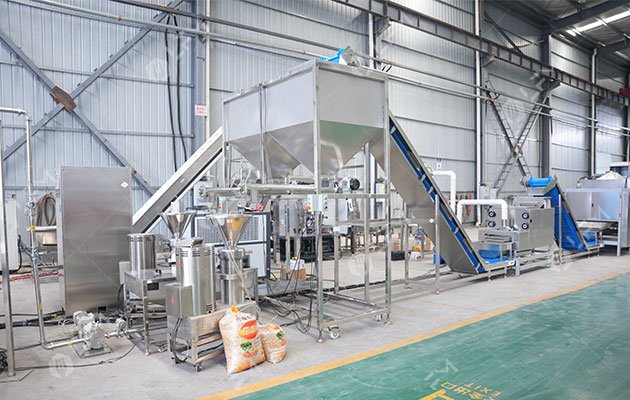
Investing in RUTF production lines in Kenya offers multiple advantages.
- Firstly, localized production significantly reduces logistics costs and time. More than 25 local producers established in East and West Africa have successfully reduced delivery times and logistics costs by nearly 30%.
- Secondly, using local raw materials not only reduces costs by approximately 15% but also improves the regional palatability and acceptance of the product.
- Thirdly, international organizations are increasingly supporting local production. Major buyers such as UNICEF are prioritizing investment in local production centers to enhance supply chain resilience. In 2023, a significant portion of UNICEF's RUTF procurement came from local manufacturers like Insta Products.
- Finally, the Kenyan government's commitment to eliminating malnutrition within five years provides a stable policy environment and market demand for RUTF producers.
04 Future Outlook for the Kenyan RUTF Industry
The future development of the Kenyan RUTF (Ready-to-Use Therapeutic Food) industry will exhibit three main trends: product ingredient diversification, packaging innovation, and supply chain digitalization.
- In terms of ingredients, to address the issue of peanut allergies in some populations, there is a growing trend towards using chickpeas, soybeans, and other ingredients as alternative protein sources in RUTF products. Statistics show that the use of these alternative ingredients has increased by 40% since 2022. However, peanut-based RUTF products still constitute the majority.
- More and more companies are innovating in packaging. For example, the use of single-serving sachets with biodegradable film is becoming more common, offering greater convenience and improving product sustainability and environmental friendliness.
- Meanwhile, supply chain digitalization is becoming a trend, enabling real-time monitoring of production status and inventory tracking. Digital systems have been implemented in over 60% of UNICEF-affiliated facilities, resulting in a 45% reduction in stockouts in countries like Kenya.
Furthermore, studies show that the recovery rate for children receiving RUTF treatment within 7 days of diagnosis increased from 75% to 89%. This data further demonstrates the effectiveness of RUTF in treating severe acute malnutrition and provides strong market justification for investors.
In Conclusion
With the continued growth in global demand for RUTF and the gradual improvement of local production capacity in Kenya, investing in RUTF production lines will not only yield economic returns but also allow direct participation in humanitarian efforts to save lives and improve nutritional status.
Message